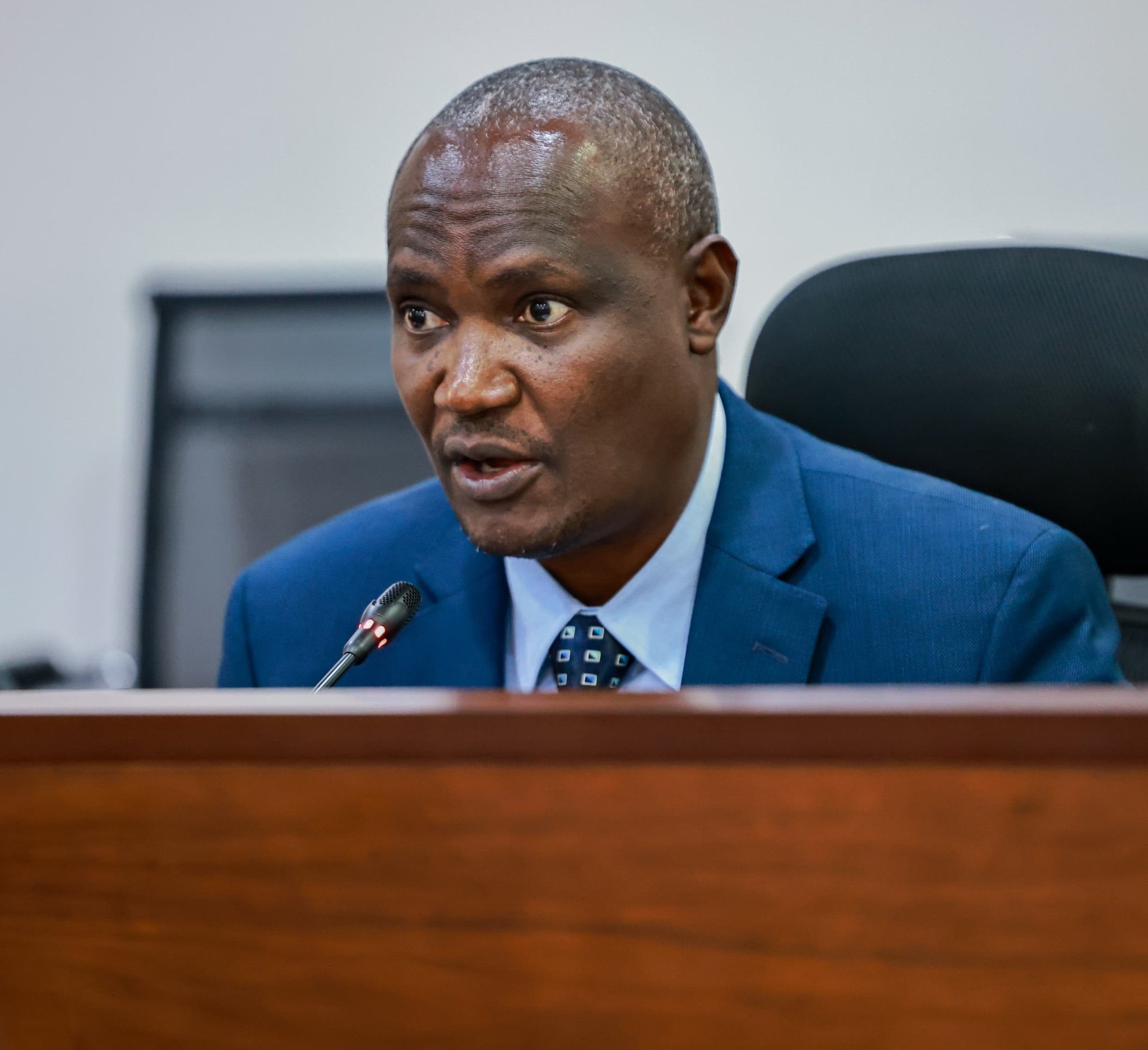
National Treasury CS John Mbadi warned on Thursday that escalating Middle East tensions pose risks to global and Kenyan economic stability, even as he projects steady growth of 5.3% through 2027.
Speaking before the National Assembly of Kenya Departmental Committee on Finance and Planning, he highlighted strong remittances, stable inflation, and resilient sectors, while outlining mitigation measures to cushion the economy against external shocks and rising fuel costs.
“The global economic outlook is under pressure due to escalating Middle East tensions, with risks to energy markets, trade, and financial stability,” he told lawmakers.
Despite these concerns, Mbadi said Kenya’s economy remains resilient, projecting steady growth over the medium term.
“Kenya’s economy remains resilient, with growth projected at 5.3% in 2026 and 2027, supported by agriculture recovery, a strong services sector, and ongoing economic reforms,” he said.
He pointed to improvements in key macroeconomic indicators, noting that stability has been maintained across several fronts.
“Macroeconomic stability has been sustained, with inflation at 4.3%, declining interest rates, a stable exchange rate, and strong foreign exchange reserves,” Mbadi said.
Diaspora remittances continue to play a significant role in supporting the economy, providing a steady inflow of foreign currency.
“Diaspora remittances remain robust at Sh651.45 billion, continuing to support the economy and external sector stability,” he noted.
Mbadi also highlighted gains in the capital markets, saying recent performance has strengthened investor confidence.
“Capital markets have strengthened significantly, with notable growth in the NSE index and overall market capitalization,” he said.
On public finances, the Treasury CS said budget implementation remains broadly on track, although revenue collection continues to fall short of targets.
“Budget implementation is on course, with improved revenue performance, though still below target, and a fiscal deficit of 3.7% of GDP,” he told the committee.
However, Mbadi cautioned that external risks could disrupt this progress, particularly due to geopolitical tensions in the Middle East.
“The Middle East conflict poses key risks, including rising oil prices, potential fuel cost increases, and disruptions to trade, exports, and supply chains,” he said.
He warned that several key sectors of the Kenyan economy remain vulnerable to such shocks.
“Key sectors such as agriculture, livestock, tourism, and exports are vulnerable to external shocks and logistics disruptions,” Mbadi said.
In response, the government has put in place measures aimed at cushioning the economy and maintaining stability.
“The Government has put in place mitigation measures, including the Fuel Stabilization Fund, export market diversification, and targeted support to sustain economic activity,” he said.
Mbadi also pointed to emerging opportunities that Kenya could leverage despite global uncertainty.
“Kenya is also positioning itself to benefit from emerging opportunities, including increased use of Lamu Port as a regional logistics hub,” he said.
The port, part of a broader infrastructure strategy, is expected to enhance trade flows and strengthen Kenya’s position as a gateway to the region.
Throughout his presentation, Mbadi emphasised the government’s commitment to maintaining economic discipline and supporting inclusive growth.
“The Government remains committed to maintaining macroeconomic stability, strengthening fiscal sustainability, and driving inclusive economic growth,” he told the parliamentary committee.
His remarks come at a time when policymakers are balancing domestic priorities with external pressures, including volatile global energy markets and shifting trade dynamics.
While Kenya’s economic fundamentals remain relatively strong, the Treasury’s outlook reaffirms the importance of continued reforms and prudent fiscal management to navigate emerging risks.
The briefing to Parliament signals ongoing efforts by the government to reassure both lawmakers and the public that safeguards are in place to sustain growth, even as uncertainties in the global economy persist.